
20+
Years Of Experience
Family Owned and Operated Since 2009
Controlled Removal That Prepares Spaces for What Comes Next
Demolition services in Alhambra for residential remodeling, additions, and property improvement projects requiring selective interior removal
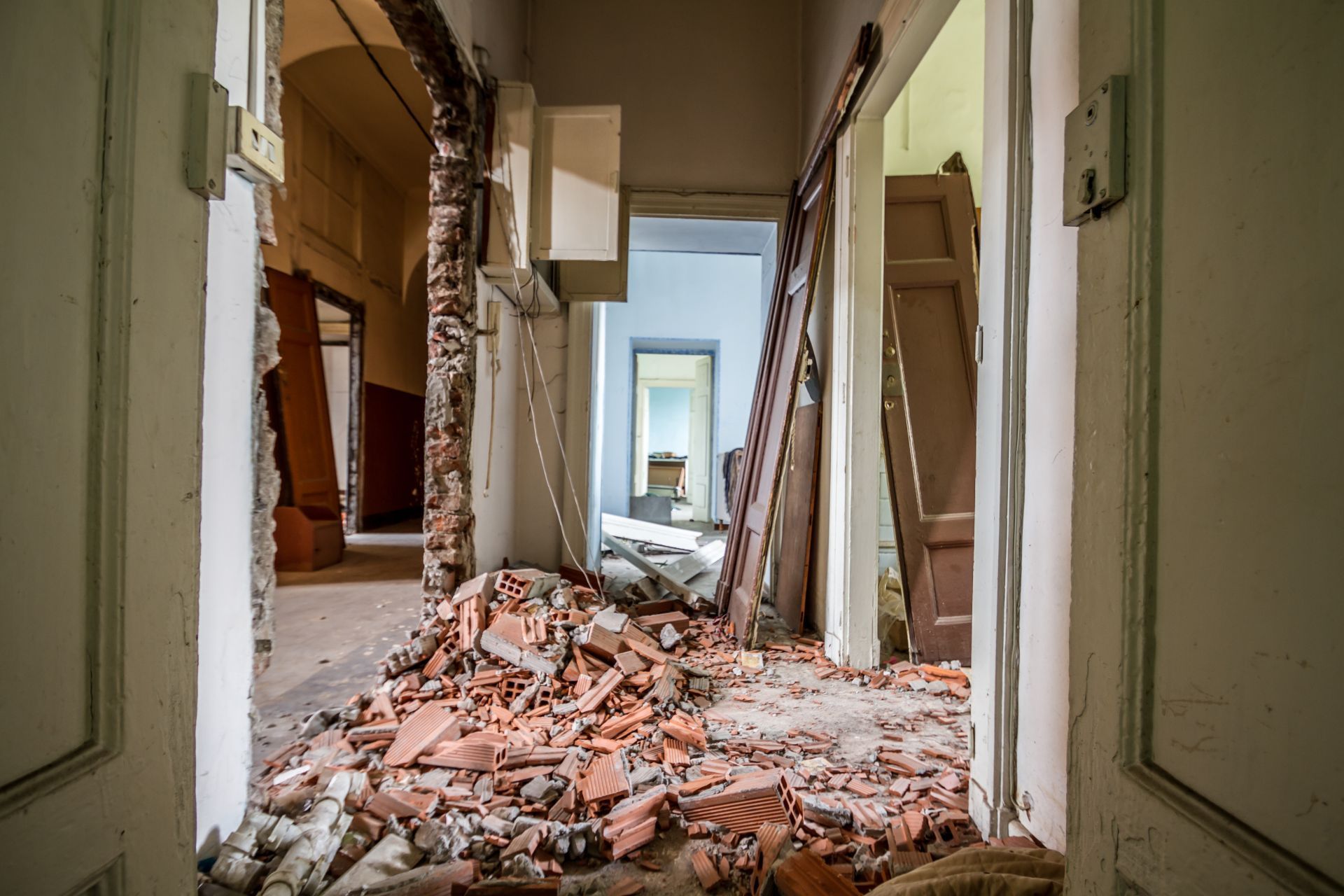
A planned renovation cannot proceed until the existing conditions are cleared—but the way that clearing happens determines whether the rest of the project starts cleanly or inherits complications. Masami Builders performs residential demolition services in Alhambra for homeowners preparing spaces for remodeling work, room additions, fixture replacement, and site preparation. The scope of demolition work covers selective interior removal, including walls where structurally appropriate, outdated fixtures, flooring, and other elements that need to come out before new construction begins. The project area is left in a condition that the next trade or phase can work from directly.
Before any material removal begins, the process requires identifying and isolating utilities—electrical, plumbing, and gas lines that may run through or near the work area—and determining whether any existing materials require special handling. In Alhambra's older residential building stock, properties constructed before the 1980s frequently contain materials that require testing or careful removal protocols before standard demolition proceeds. Dust containment, debris handling, and site organization during the work are not optional steps—they determine whether the demolition creates a usable workspace or leaves a secondary cleanup problem for the project team.
Request a project assessment to review the scope of removal work your renovation requires and determine the appropriate demolition approach for your property.
What Selective Interior Demolition Actually Accomplishes
Selective demolition differs from full structural removal in that only specific elements are taken out while the surrounding structure remains intact and protected. Masami Builders approaches each demolition scope by identifying which elements are being removed, confirming that adjacent framing or structural components are accounted for before cuts are made, and sequencing the removal so debris handling does not interfere with the work sequence. When a non-load-bearing wall is taken down, that determination must be confirmed before removal—not assumed based on general appearance.
After selective demolition is completed, the visible result is a cleared, defined work area with exposed framing or substrate conditions that accurately represent what the renovation is working with—not a space obscured by existing finishes that were hiding the actual structural condition. That clarity matters: renovation projects that encounter unexpected conditions mid-construction after demolition reveal them experience scope changes and delays that early-stage assessment and careful removal can reduce.
Debris removal and site management are included in the demolition scope—materials taken out during the project are handled and disposed of properly rather than staged in a way that creates an obstacle for the phases that follow. The demolition scope is defined by the confirmed capabilities of the project and does not extend to hazardous material abatement, which is handled by appropriately licensed specialists when testing identifies that need.
Questions Before Starting Your Project
The following questions address how residential demolition work is approached, sequenced, and prepared for—particularly relevant for Alhambra properties where older construction conditions often affect the removal process.
How is it confirmed whether a wall can be safely removed?
A wall's structural role is evaluated by examining framing direction relative to the joists above, the wall's position in the floor plan, and whether it carries load from the structure above it—this determination is made before removal begins, and walls with any structural ambiguity require engineering review before proceeding.
What utility isolation steps happen before interior demolition starts?
Electrical circuits serving the work area are de-energized and confirmed off at the panel, water supply lines in or near the demolition zone are shut off and drained if necessary, and gas service is evaluated for proximity before any wall or fixture removal begins.
How does the presence of older materials affect the demolition approach for Alhambra homes?
Residential properties in Alhambra built before the late 1970s may contain materials that require assessment before standard demolition—plaster walls, older insulation types, and certain flooring adhesives from that era are among the conditions that warrant testing before removal proceeds without special handling.
What does dust containment during demolition involve?
Containment typically includes plastic sheeting barriers at openings between the work area and occupied spaces, negative pressure when work generates significant particulate, and maintaining a clean egress path so dust and debris do not migrate through the rest of the property during the removal process.
How is the work area handed off after demolition is complete?
The cleared space should be left with exposed framing or structural surfaces accessible and debris removed from the floor area so the next trade—framing, rough plumbing, electrical, or mechanical—can begin work without a prior-stage cleanup obligation.
Masami Builders handles residential demolition as a preparation service for renovation and construction projects where controlled removal and proper site sequencing directly affect how smoothly the next phase begins. Call (626) 297-6610 to request a project assessment and discuss the removal scope your property requires.