
20+
Years Of Experience
Family Owned and Operated Since 2009
Projects Managed From First Step to Last
General Contracting in Alhambra for residential construction that requires coordinated scheduling, trade oversight, and consistent communication
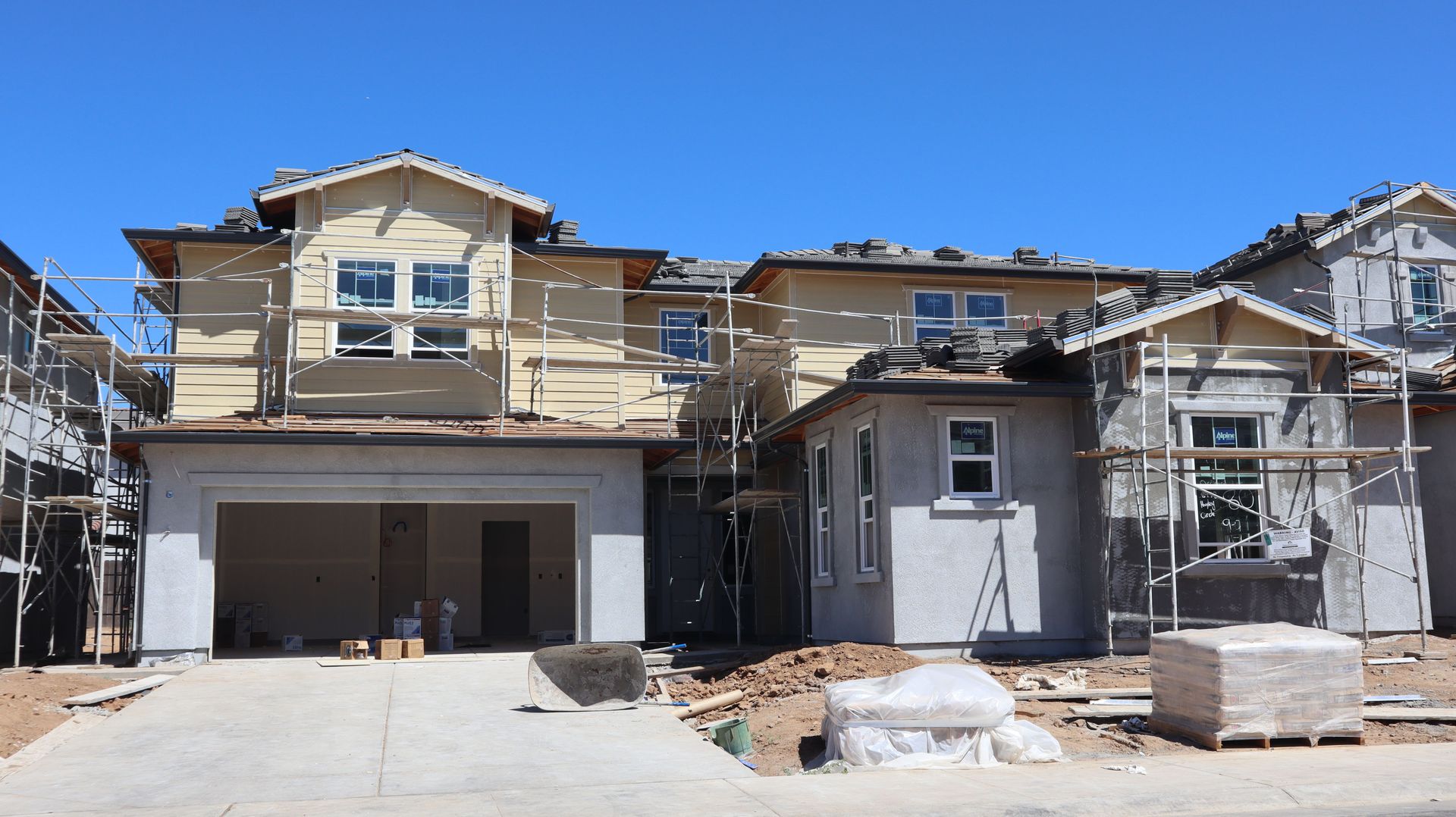
Masami Builders manages residential construction projects in Alhambra from initial planning through final walkthrough, handling every coordination layer so homeowners are not left tracking subcontractors on their own. Many residential projects stall or run over budget when no single party owns the schedule—general contracting exists specifically to close that gap. The company's family-owned approach means the same leadership that signs off on the plan stays involved through the last inspection.
The work begins before any tools arrive on site. Material selections are confirmed, trade sequences are scheduled to avoid idle time between phases, and permit documentation is prepared in advance. Because Alhambra's residential stock includes a significant share of mid-century homes with mixed construction methods—older wood-frame structures alongside concrete block additions—scope verification early in the process prevents costly conflicts once work begins. Coordination between electrical, plumbing, and finish trades is managed directly rather than left to each subcontractor to figure out independently.
Request an estimate from Masami Builders to review your project requirements and establish a realistic construction timeline..
How Organized Oversight Changes the Work
Quality control on a residential project is not a single inspection at the end—it is a series of verification points built into each phase. Framing is reviewed before insulation goes in. Rough electrical and plumbing are checked before drywall closes the walls. This sequencing matters because corrections made mid-phase cost a fraction of what the same correction costs after finishes are applied. Masami Builders structures oversight this way as a standard operating procedure, not an optional add-on.
Once construction is complete, what homeowners notice is not just the finished surface—it is what does not happen. Doors close without binding. Outlets land where the design placed them. Tile lines run straight to the corners. The absence of callbacks and punch-list surprises is the most reliable indicator that trade coordination was handled correctly throughout the project.
General contracting scope covers the full project arc: planning, permitting, material procurement, trade scheduling, and final inspection. It does not include design services unless those are separately arranged, but Masami Builders can advise on constructability and flag design details that will affect cost or timeline before work begins.
Common Questions About General Contracting Work
Homeowners planning a residential construction project often have questions about how the process is managed and what to expect at each stage. The answers below address the work itself.
What does a general contractor actually coordinate on a residential project?
A general contractor manages the sequence of all trades—framing, mechanical, electrical, plumbing, and finish work—so each crew arrives when the prior phase is ready and the project does not sit idle between stages. Without that coordination layer, trades often overlap or create conflicts that require rework.
How does material selection get handled during construction?
Materials are confirmed before the relevant phase begins, not ordered on the fly, which prevents schedule delays caused by backorders or substitution conflicts. For projects involving finish materials like flooring or cabinetry, lead times are factored into the overall schedule from the start.
What happens when an unexpected condition is found once work begins?
Hidden conditions—older wiring formats, non-standard framing dimensions, or prior repairs that did not meet current standards—are documented and reviewed with the homeowner before work continues. In Alhambra's older residential stock, this step is common enough that scoping conversations should account for it.
How does the permit process work within a general contracting engagement?
Permit applications are prepared and submitted based on the approved project scope, and inspections are scheduled to align with construction phases so work is not delayed waiting for sign-off. Inspection timing affects the sequence, particularly between rough and finish phases.
What quality indicators should a homeowner look for as construction progresses?
Straight lines, level surfaces, and tight joints in framing are visible before walls close—those details are easier to verify during rough phase than after drywall is installed. Asking to see the work before each phase closes is a reasonable and straightforward quality check.
Masami Builders has handled residential construction projects across Alhambra for over two decades, working through the specific conditions that homes in this area present. Arrange a project consultation to walk through your scope, discuss phasing, and establish what the construction process will involve from start to finish.