
20+
Years Of Experience
Family Owned and Operated Since 2009
Floors That Hold Up to Daily Residential Use
Flooring installation and repairs in Alhambra for surfaces that are uneven, damaged, worn through, or no longer suitable for the room's function
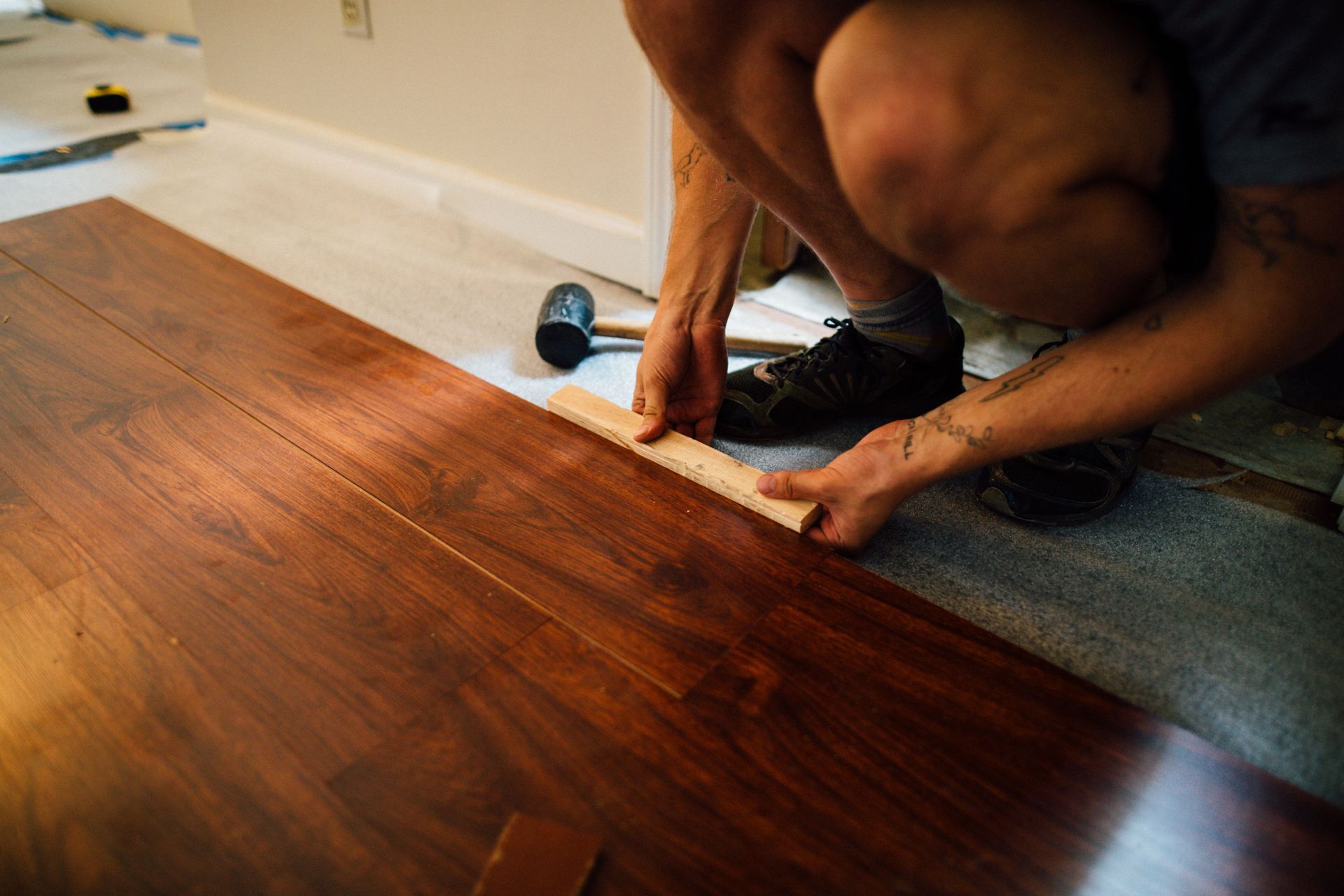
Uneven floors, cracked tile, laminate that has begun to lift at the seams, or hardwood that has worn through its finish coat are problems that show up clearly every day and worsen if the underlying cause is not addressed before new material goes down. Masami Builders handles flooring installation and repair work for residential properties in Alhambra, covering assessment of existing surfaces, subfloor preparation, material installation, and finishing. The process is built around making the substrate ready rather than covering problems over, which is the distinction between flooring that lasts and flooring that fails within a few years of installation.
In Alhambra's mid-century residential properties, it is common to find multiple flooring layers installed over decades, with the original hardwood buried under vinyl, then carpet, then a second vinyl layer, or original concrete slab covered with poorly bonded adhesive and deteriorated tile. Each additional layer added without proper removal compounds the unevenness and adhesion problems that the next installer has to deal with. Evaluating what is actually present below the visible surface determines what preparation is needed and which flooring types are appropriate for the conditions that exist.
Submit a flooring estimate request to have Masami Builders assess your current surface conditions and identify the right material and installation approach for your specific rooms.
The Difference Between Prepared and Unprepared Subfloors
Subfloor preparation involves leveling low spots with floor-leveling compound, removing high spots by sanding or grinding, securing any loose panels or boards, and confirming that the surface is clean, dry, and structurally stable before material installation begins. Tile installation over an uneven or insufficiently rigid subfloor will crack along grout lines within months as the substrate flexes underfoot, regardless of how carefully the tile itself was set. Laminate and vinyl plank installed over a surface with high spots will develop a hollow feel and loose locking joints because the planks cannot seat correctly against an irregular base.
After properly installed flooring is complete, what changes is both immediate and long-term. Rooms with consistent, level flooring feel more connected and finished than spaces where the floor has visible variation or transitions poorly between materials. Tile that is fully bedded in mortar with complete back-butter coverage does not produce hollow spots when walked on and does not crack at grout lines under normal foot traffic. Hardwood or engineered wood that is acclimated to the space before installation and fastened or glued correctly moves predictably with the building rather than cupping, gapping, or buckling.
Masami Builders works with a range of flooring materials suited to residential interiors, including tile for kitchens, bathrooms, and entry areas, hardwood and engineered wood for living and bedroom spaces, and vinyl plank and laminate where cost-effectiveness and moisture resistance are priorities. Material selection depends on the room's function, the subfloor type, and the homeowner's preferences for maintenance and appearance.
Questions Before Starting Your Flooring Project
The following answers explain how flooring installation and repair decisions are made, what the preparation process involves, and what to look for in finished work, drawing on the specific subfloor and layering conditions common in Alhambra's established residential homes.
How is an existing subfloor evaluated before new flooring is installed?
The subfloor is checked for levelness using a straightedge across multiple directions, tested for firmness by walking it to identify soft or springy spots, and inspected for moisture intrusion, especially at slab level where older Alhambra homes may lack adequate moisture barrier between concrete and finish flooring. Any deflection beyond the tolerance for the intended flooring type triggers correction before installation proceeds.
What does back-buttering tile mean and why does it matter?
Back-buttering means applying mortar to the back of each tile in addition to the mortar bed on the substrate, which creates full contact between the tile and the setting surface. Without full contact, air pockets form behind the tile, which leads to cracking under load and tiles that hollow out and eventually detach.
When should existing flooring be removed rather than installed over?
Existing flooring should be removed when it is loose, damaged, or creates a surface height that would raise the finished floor above door thresholds or appliance clearances, and when the additional layer would exceed the deflection tolerance of the subfloor. Installing over a compromised surface transfers the existing problem to the new floor.
How is hardwood flooring acclimated before installation?
Hardwood and engineered wood are stored inside the space where they will be installed for a period that allows the material to reach equilibrium with the room's ambient conditions, which reduces the expansion and contraction movement that causes gapping or cupping after installation. The required acclimation period depends on the species and the difference between the storage conditions and the installation environment.
What does properly finished tile grout look like once a floor is complete?
Grout joints are fully packed with no voids, pinholes, or recessed areas, and the surface is cleaned of haze before the grout cures. Sanded grout is used for wider joints to prevent shrinkage cracking, and unsanded grout is used for narrow joints where sanded grout would scratch polished tile surfaces.
Masami Builders completes flooring installation and repair work across Alhambra's residential properties, from single-room updates to full-home flooring replacements. Call (626) 297-6610 to arrange an on-site review of your existing surfaces and discuss the material options suited to your space.